



Biodiversity Heritage Site
Ganeshkhind Garden
The area holds a total of 610 germplasms of 49 crops including high economic value plants. There are number of plant types developed through genetic breeding programme within the garden. The site also has 165 wild plant species including 48 medicinal varieties, rare and endangered plant species. The garden has high density of Swietenia macrophylla (planted in 1874 with seeds obtained from Royal Botanical Garden, UK) and Ficus bengalensis with ideal conditions for their natural regeneration.
Mahendragiri hill
Mahendragiri hill is situated at an elevation between 700-1501 m above mean sea level in Gajapati district of Odisha. With increase altitude, the hill complex demonstrates several micro climatic conditions like tropical shola, tropical semievergreen, tropical moist-deciduous & tropical dry deciduous. The diversified vegetation with rich floral diversity representing 40% of the reported flora of Odisha. A total of 1,358 species of plants including 1,042 species of angiosperms under 122 families, 60 species of pteridophytes, 104 species of bryophytes, 53 species of lichens and 72 species of macro-fungi and 2 species of gymnosperms occurring in the hill ecosystem.The ancient temples of Kunti, Shima, Arjuna and Yudhisthir at Mahendragiri have been declared as protected monuments under the Ancient Monument and Archaeological sites and Remains Act 1958 by the State Government. These monuments provide a sacred and holy background for receiving about one lakh devotees annually every year to worship the deities of the hill
Nagamalai Hillock BHS
This area has a unique ecosystem with hillock covered by native vegetation with dry deciduous, thorny and scrub forest type with sporadic grassland ecosystem which supports rich diverse of flora and fauna and breeding centre for migratory birds. Nagamalai hillock area holds 138 plant species, 118 bird species and 94 faunal species besides traditional, cultural and heritage values and render service to local community as a form of local tradition worshipping deity-Sacred grove.
Glory of Allapalli
It is a reserved forest being preserved as natural forest having biological, ethinical and historical values.
Landorkhori
The site is habitat of wild animals & rare species of plants and grass. More than 150 species of birds, 24 species of mammals, have been recorded in this area. The natural plantation of Bori (Zizyphus jujube) tree is unique and survived since old ages.
State Horticulture Research and Development Station
Rich Heritage of indigenous germplasm of horticulture and medicinal plants. It provides good habitat for good number of avifauna, butterflies and other insects
Canary Pahad BHS
Canary Pahad BHS, in Hazaribag District is a Hilly Area spreading over an area of 2110.67 Acre which comes under Hazaribag East Forest Division. Canary Pahad BHS is situated about 704 meters above mean sea level. Major species of this site are Shorea robusta, Buchanania lanzan, Sterculia urens etc.
The site consists of many Rare Endangered Species such as Dalbergia latifolia, Pterocarpus marsupium, Boswella serrata, etc.
Tonglu BHS
It is a Medicinal Plant Conservation Areas
Schistura Hiranyakeshi
The fish Schistura hiranyakeshi was spotted for the first time in a pond at the Mahadev Temple at Amboli in Sindhudurg district , Western Ghats The 2.11 ha area has now been declared as ‘Shistura Hiranyakeshi Biological Heritage Site’ in April 2021. It has become the 5th such heritage site in the state of Maharashtra. The fish was found by the team led by Tejas Thackeray, a wildlife researcher, and son of Maharashtra CM Uddhav Thackeray.
Namthing Pokhari
Habitat for Himalayan Newt, which is an evolutionary significant species originated during the early-middle Miocene and endemic to the Indo-Nepal Himalayan region.
Mawtneng BHS
Mawtneng BHS is a vital area for biodiversity conservation due to its rich floral and faunal diversity. The Mawtneng BMC is responsible for management of BHS under guidance of Meghalaya SBB and in accordance with BHS guidelines issued by NBA.
Dhotrey BHS
It is a Medicinal Plant Conservation Areas
Baneswar Shiva Dighi
It offers refuge to Black Softshell Turtle Nilssonia nigricans listed under Appendix I of CITES and extinct in the wild category of IUCN.
Char Balidanga
Habitat of nearly 100 species of avifauna with other Schedule-I fauna like Golden Monitor Lizard, smooth coated Otter, Golden Jackal etc and other rare animals.
Sirpur Lake BHS
Sirpur lake is an important habitat of Migratory birds and is also declared as Ramsar Site and Important Bird Area, which is very important from Biological point of view and which needs to be protected and it is a source of livelihood for Local communities.
This area is vital for biodiversity conservation due to its rich floral and faunal diversity. There are about 175 floral species and 177 faunal species present in Sirpur Lake, which includes 130 species of birds, 14 species of reptiles, 34 Butterfly species and other animals.
WALMI Hills BHS
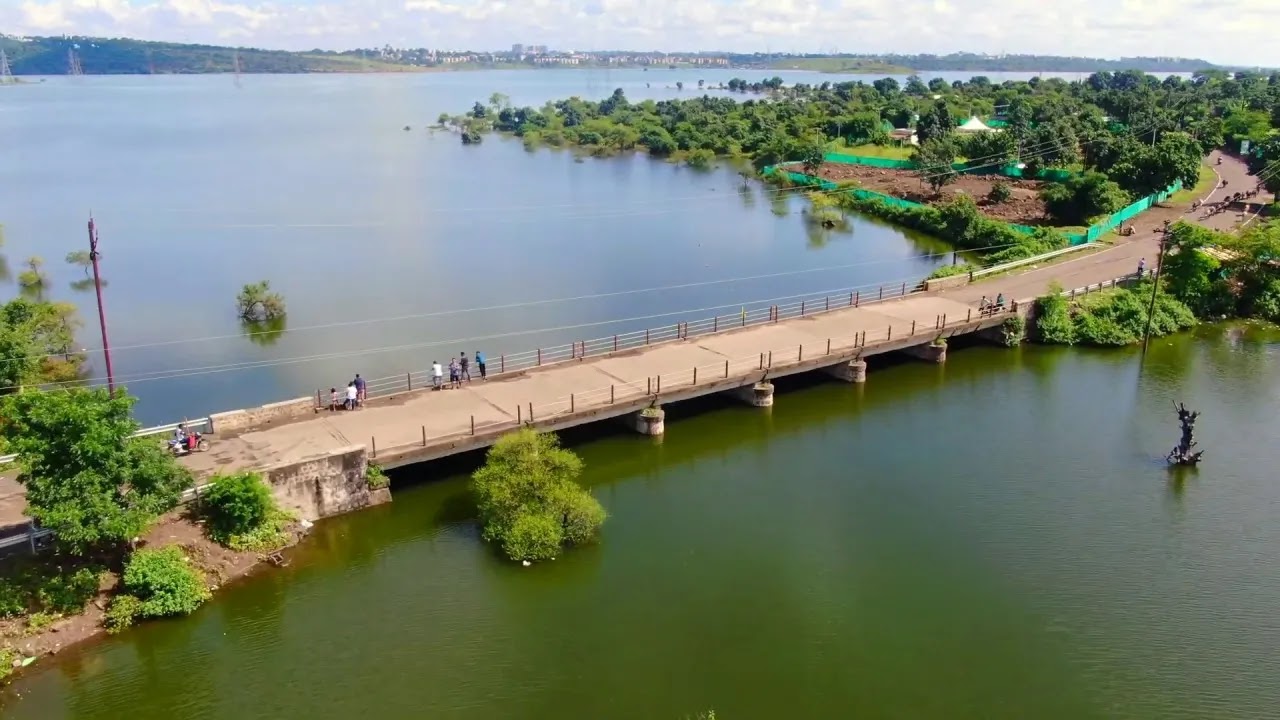
WALMI Campus
WALMI campus is rich in Forest, Agricultural, Horticultural and Aquatic Biodiversity significant from ecological point of view and there are 151 faunal species which includes 29 reptiles, 07 Amphibians, 14 Squamata, 13 Mammals 71 Avifauna and 15 Butterfly species. Also, there are 173 plant species which comprises 53 medicinal and 08 rare plant species.
It is situated on the bank of Kaliyasot Dam which is important from ecological point of view and need to be conserved.
Ken Nala, Gulra, Bhinga Reserve Forest BHS

Photo
Ken nala area is located in Bhinga Reserved Forest of Shravasti Forest division adjoining to the Gulra Village. Generally, mangroves are found in saline water but unique freshwater mangrove areas are spread on and around the banks of Ken Nala in the Bhinga Reserve Forest. Fresh Water Mangrove Safari is developed in this area as ecotourism spot which is flush with freshwater mangrove tree known as ‘Barringtonia acutangula’ locally called as ‘Injad’.
Besides, this area supports rich floral diversity comprising a wide variety of trees, shrubs, herbs and grasses, which contribute to the stability and functioning of the ecosystem. Equally rich in faunal diversity like Monkey, Hanuman langur, Jackal, Leopard, Chital, Common mongoose, Small Indian mongoose. Various snakes like- cobra, python, common Krait, Rat snake, Water Snake. Diverse fish fauna, viz, Chilwa, Katla, Mirla, Mangur, Rohu & Girai are found in this Heritage Site. Ken nala is also paradise for avifauna such as Kingfishers, flycatchers, Drongos, Wood peckers, Vultures, Owls etc. as well as aquatic birds such as Heron, egrets etc.,






Website Content Managed by National Biodiversity Authority, Goverment of India